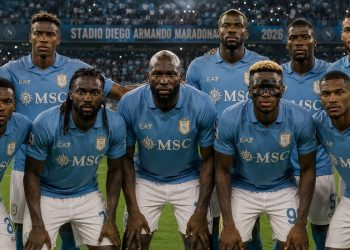



As African players continue to excel in European leagues, a growing number of African coaches are also making their mark on the continent’s top footballing stage.
Their journey hasn’t been easy, with challenges that range from cultural barriers to limited opportunities. Despite this, African coaches are transforming perceptions, bringing their unique insights and experiences to the European game. Let’s take a look at the evolution of African coaches in European football and how their influence is helping shape the future of coaching on a global scale.


Breaking Down Barriers: The First African Coaches in Europe
The journey for African coaches in Europe began with pioneers who paved the way despite limited opportunities. In the past, European clubs rarely considered African coaches, as stereotypes and biases clouded judgments. However, individuals like Bruce Grobbelaar and Jean Amadou Tigana helped challenge these prejudices. Grobbelaar, a former Zimbabwean goalkeeper and Liverpool legend, pursued coaching roles across Europe. Meanwhile, Tigana, born in French Sudan and a former French international, became one of the first African-born coaches to lead a top-flight European club, taking charge of Fulham in the English Premier League in the early 2000s.
Their success inspired others, proving that African coaches could not only excel but also bring valuable diversity and new tactical perspectives to European football. These pioneers helped open doors for other African coaches aspiring to achieve success on the continent.
The Success Stories: African Coaches Making Their Mark
In recent years, several African coaches have made a name for themselves in European football, overcoming challenges and setting new standards of excellence. For instance, Pitso Mosimane, one of Africa’s most successful coaches, recently made a significant move to Al Ahly, where he led the Egyptian club to CAF Champions League glory. Although his coaching journey in Europe remains limited, Mosimane’s success on the international stage has elevated African coaching talent, making it more visible to European clubs.
Another trailblazer is Nuno Espírito Santo, who, while representing Portugal, was born in São Tomé e Príncipe and managed clubs such as Wolverhampton Wanderers and Tottenham Hotspur in the Premier League. Espírito Santo’s ability to lead a top-tier English team showcased the potential of African-born coaches in one of the most competitive leagues.
The Tactical Influence of African Coaches in Europe
African coaches bring a unique tactical approach influenced by the distinct footballing culture and experiences of the continent. Many African coaches focus on fluidity and adaptability, often incorporating creative and flexible playing styles. This dynamic approach, honed through years of managing diverse teams across Africa, brings an edge to European football, where technical and rigid formations are often prioritised.
African coaches are also known for their emphasis on team cohesion and unity. Due to the importance of community and collective identity in African societies, these coaches often excel in fostering a sense of camaraderie within their squads. This approach has resonated well with European players and staff, contributing to a more inclusive and collaborative team environment.
The Rise of African Coaches in European Academies
While many African coaches still face challenges breaking into top managerial roles, several have found success in European football academies. Football academies such as PSG’s youth development program and Manchester City’s youth setup have started welcoming African coaches, recognising their potential to nurture young talent.
African coaches in these academies bring invaluable expertise, particularly when working with young African players adjusting to European football. They serve as mentors who understand the cultural and social challenges African players often face in Europe, making them instrumental in shaping the next generation of football stars.
Challenges Faced by African Coaches in Europe
Despite their growing presence, African coaches continue to encounter significant challenges in Europe. One of the biggest obstacles is a lack of representation and opportunities at top clubs. While many European teams are open to hiring African players, they remain hesitant when it comes to appointing African coaches. This reluctance is partly due to ingrained biases and a lack of recognition of the skills and qualifications African coaches bring to the table.
Another challenge African coaches face is securing high-level coaching licenses and experience in Europe. Obtaining UEFA qualifications, which are essential for managing top European clubs, is often a lengthy and expensive process. Despite these hurdles, many African coaches are committed to advancing their careers, pursuing coaching licenses, and gaining experience across European leagues.
Looking Forward: The Future of African Coaches in European Football
The future looks promising for African coaches in European football. With the success of pioneers like Tigana and Espírito Santo, a growing number of African coaches are now on the radar of European clubs. The recent trend of clubs embracing diversity and inclusive leadership also bodes well for the increased representation of African coaches.
Moreover, as European clubs become more globalised, the demand for coaches with multicultural understanding and adaptability grows. African coaches, with their rich experiences managing diverse teams and players, are well-suited for these roles. Initiatives aimed at supporting and developing African coaches, both on the continent and abroad, are also expected to boost their prospects in European football.
The evolution of African coaches in European football is a testament to resilience, talent, and the power of diversity. While there are still barriers to overcome, African coaches have already begun to change perceptions and demonstrate their value on the international stage. As more African coaches gain recognition, their influence will continue to shape the future of football, proving that the continent’s contribution to the beautiful game extends far beyond the pitch.