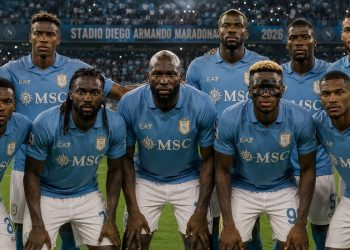



The latest FIFA rankings have introduced significant shifts within African football’s hierarchy, as Algeria emerges as a prominent force, overtaking Nigeria for a coveted spot on the continent. This update reflects evolving dynamics among Africa’s elite teams and brings new challenges ahead of the 2026 FIFA World Cup.
Algeria’s Ascent
Algeria’s impressive performance in international fixtures has driven their upward trajectory in the FIFA rankings. Consequently, they have dethroned Nigeria, a team long seen as a staple among Africa’s top footballing nations. The North Africans’ commitment to nurturing talent and strategic game plans has formed the backbone of this achievement.
Moreover, Algeria’s rise showcases their resilience and proficiency in both attacking flair and defensive solidity, setting a benchmark for upcoming qualifiers and tournaments.
Nigeria’s Decline
Nigeria’s unexpected slide in the FIFA rankings, falling eight spots, underscores a challenging period for the Super Eagles. With high expectations regularly placed upon them, this drop calls for introspection within the team to reclaim their standing.
The decline, attributed to recent inconsistencies in performances, highlights areas needing revitalisation, particularly within player development and tactical adaptation. However, Nigeria’s rich pool of talent remains a strong foundation for potential resurgence.
Morocco Holds Firm
Morocco maintains its position as Africa’s top-ranked team, reinforcing their leadership after their triumphant performances, both regionally and globally. This consistency speaks volumes about their robust infrastructure and player development pathways.
Morocco’s steadfast position not only reflects their footballing prowess but also inspires neighbouring African nations to develop long-term footballing visions capable of yielding sustained success.
Implications for World Cup 2026
With the 2026 FIFA World Cup on the horizon, these ranking shifts highlight competitive dynamics intensifying among African teams fighting for qualification. Algerian momentum and Moroccan consistency serve as motivating factors for their continental counterparts.
For Nigeria, this reality acts as a crucial wake-up call, urging strategic reassessment and galvanizing reinvigoration efforts ahead of global challenges.