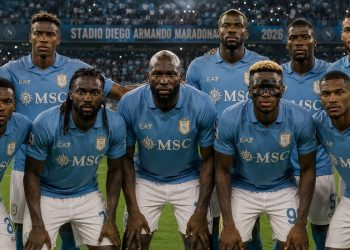



Football isn’t merely entertainment across Africa—it’s become a transformative economic powerhouse reshaping the continent’s development landscape. The economic impact of football in Africa extends far beyond matchday revenues, creating ripple effects that touch tourism, employment, and community growth in ways that continue to surprise economists and policymakers alike.
Tourism Revolution Through Football Excellence
Major tournaments like the Africa Cup of Nations have revolutionised local tourism economies. When these prestigious events arrive, they bring thousands of passionate supporters who spend generously on accommodation, dining, and local experiences. Consequently, host cities witness unprecedented economic activity that extends months beyond the final whistle.
Moreover, infrastructure improvements become inevitable. Stadium constructions and transportation upgrades leave lasting legacies that benefit communities for generations. These developments demonstrate how the economic impact of football in Africa creates sustainable growth foundations.
Employment Opportunities Across Multiple Sectors
Football generates diverse employment opportunities spanning various skill levels. From match officials and security personnel to marketing specialists and event coordinators, the industry supports countless families. Local clubs particularly excel at providing stable income streams within their communities.
Indeed, these jobs often offer career progression pathways that wouldn’t exist otherwise. Therefore, young Africans increasingly view football-related careers as viable professional options, contributing to the broader economic impact of football in Africa.
Merchandise and Brand Power
Similarly, football merchandise sales have become significant revenue generators. Jersey sales, memorabilia, and branded accessories create thriving retail ecosystems. Successful African teams leverage their popularity to establish global recognition, subsequently boosting commercial partnerships.
Notably, local manufacturers benefit tremendously from increased demand. This domestic production strengthens supply chains whilst keeping profits within African economies, amplifying the economic impact of football in Africa.
Investment Surge and Strategic Partnerships
International sponsorship deals continue transforming the financial landscape. Global brands recognise Africa’s football potential, investing substantial resources in partnerships that benefit local leagues and clubs. These relationships provide crucial funding for development programmes.
Consequently, enhanced visibility attracts additional investors, creating positive cycles of growth and opportunity.
Grassroots Development and Community Transformation
Finally, grassroots initiatives funded through football revenues deliver long-term community benefits. Youth development programmes, educational scholarships, and infrastructure projects demonstrate football’s wider social contribution.
The economic impact of football in Africa represents untapped potential. Through strategic investment and continued development, football will undoubtedly remain central to the continent’s prosperity story.